Daisy Flowers Graphics and Illustrations for Editorial Design
When I sit down to design a new editorial layout or refresh an existing content hub, my first question is always about mood. Does the visual language support the trust we are trying to build with our readers? Recently, I evaluated a graphic design asset called Daisy Flowers to see if it could elevate the visual presentation of a lifestyle and wellness blog. This review focuses on how these specific graphics fit into a real-world publishing workflow, from featured images to downloadable lead magnets.
First Impressions and Editorial Mood
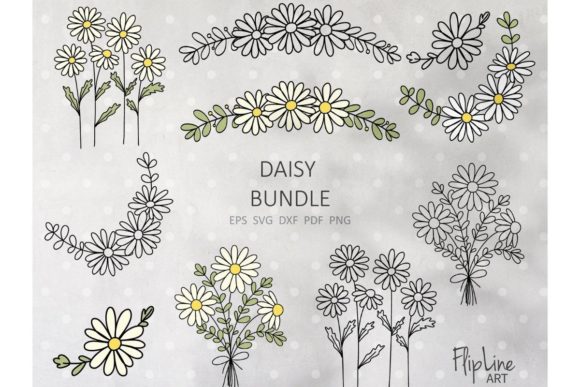
Daisy Flowers is a set of delicate, outlined illustrations that combine nature and beauty all in one. You will get 2 ZIP file includes EPS files with layers, SVG files, PNG files transparent backgroun. The immediate impression is one of lightness and elegance. Unlike heavy, solid vector shapes, the outlined style feels airy and sophisticated. It creates an editorial mood that is clean, modern, and slightly feminine without being overly decorative or cluttered.
For content creators, this aesthetic is powerful because it signals quality. When a reader lands on a page adorned with such refined visuals, their perception of the content’s value increases immediately. It suggests that the publisher cares about details. This asset naturally supports niches like wellness, gardening, home decor, mental health, and creative entrepreneurship. It feels artistic yet accessible, making it suitable for both professional brand identity work and playful social media graphics.
Integrating Visuals into Your Publishing Workflow
In my experience as a digital publisher, consistency is key to building a recognizable brand. Daisy Flowers offers versatility across multiple touchpoints. Here is how I recommend integrating these design assets into your daily content marketing efforts.
- Blog Featured Images: Use the larger floral elements as accents in your header graphics. They add a soft frame around your headline text, drawing the eye inward without competing with the message.
- Pinterest Pins: Pinterest is a visual search engine. These illustrations perform well because they stand out against solid color backgrounds. Create pins with ample white space, placing the illustration in the corner and using bold typography for the title.
- Newsletter Headers: A clean banner at the top of your email newsletter sets a welcoming tone. The transparent background of the PNG files allows you to blend the flowers seamlessly into your brand colors.
- Digital Guides and Worksheets: If you sell digital products, use the EPS files to create custom borders or dividers. The layered structure allows you to isolate specific stems or petals, giving you control over the layout.
- Social Media Stories: Animate a single flower element or use it as a static sticker overlay. This adds a personal, human touch to your social media graphics.
Enhancing Content Performance Through Design
Good design is not just about aesthetics; it is about performance. Using Daisy Flowers can directly impact your metrics by improving several critical areas of user experience.
First, it establishes a stronger first impression. In a crowded digital landscape, a polished look differentiates you from amateur bloggers. Second, it clarifies visual hierarchy. By using these illustrations as section breaks or bullet points, you guide the reader’s eye through long-form articles more effectively. Third, it improves click-through potential. Visually appealing thumbnails and buttons encourage interaction.
Furthermore, consistent use of these graphics strengthens your brand identity. When every post, pin, and download shares the same visual DNA, readers begin to associate that delicate, natural style with your specific voice. This builds reader trust over time. For affiliate marketers, this trust is currency; audiences are more likely to click on recommendations presented in a professional, cohesive environment.
Strategic Placement and Best Uses
To get the most out of these design assets, you must place them strategically. They work best in areas where you want to soften the interface or add a touch of personality.
- Hero Images: Overlay the illustrations on gradient backgrounds for a modern design look.
- Article Thumbnails: Use small clusters of flowers to categorize posts visually.
- Editorial Accents: Place a single stem next to pull quotes to highlight important takeaways.
- Content Upgrades: Use the high-resolution SVGs to create beautiful cover pages for free checklists or eBooks.
- Category Visuals: Assign different flower types to different content categories to help users navigate your site intuitively.
Where to Exercise Caution
While these illustrations are versatile, they are not a universal solution. There are scenarios where this graphic design asset might hinder readability or brand alignment.
Avoid using these delicate outlines on busy layouts or low-contrast backgrounds. The thin lines may disappear, causing frustration for readers. Similarly, be careful when scaling these images down to small mobile thumbnails; intricate details can become muddy pixels. In serious professional niches, such as legal advice or corporate finance, the playful nature of the daisies might undermine the authority you need to project. Additionally, if your website already has a very minimal visual system, adding floral elements might create unnecessary visual noise.
Practical Publisher Notes for Implementation
Before uploading these files to your content management system, follow these technical checks to ensure optimal web performance and licensing compliance.
Test Across Devices: Always preview your designs on desktop and mobile screens. Check how the illustration looks as a thumbnail in your feed. Ensure it remains legible and impactful at smaller sizes.
Check Contrast and Readability: Test the graphics with your headline text. Do they clash? Try placing the illustration beside serif font styles for a classic editorial look, or sans serif font styles for a modern design feel. You can also experiment with script font or handwritten font pairings for a more personal touch.
Optimize File Sizes: Large image files slow down your website, hurting your SEO. Compress your PNG files properly before upload. Use SVG files whenever possible for crisp scaling and smaller file sizes.
Review Licensing: Confirm commercial license terms before using these assets on monetized websites, affiliate pages, or paid content products. Ensure you have the right to use them in digital downloads and printables.
Compatibility: Since the package includes EPS, SVG, and PNG formats, you can easily import these design assets into tools like Canva template editors, Adobe Illustrator, or Photoshop. This flexibility allows you to tweak colors to match your small business branding perfectly.
Final Thoughts on Visual Communication
Daisy Flowers is more than just a collection of clip art; it is a tool for enhancing editorial design. By incorporating these illustrations into your web design strategy, you create a more immersive and trustworthy reading experience. Whether you are creating a lead magnet, a social media campaign, or simply updating your blog’s aesthetic, these graphics offer a reliable way to communicate beauty and professionalism.
For creative entrepreneurs and digital publishers looking to elevate their content marketing efforts, investing in high-quality design assets pays off. Daisy Flowers provides the visual polish needed to make your content stand out in a noisy digital marketplace. Remember, your visuals are often the first thing a visitor notices. Make sure they tell the right story.