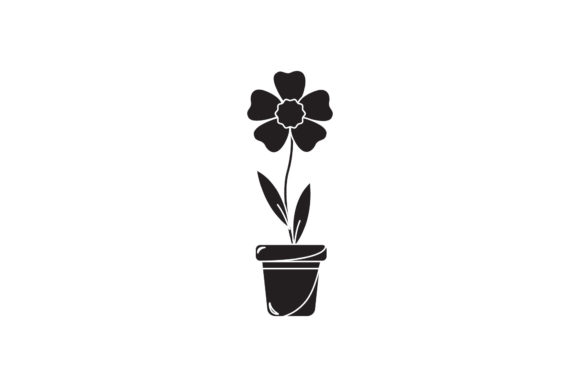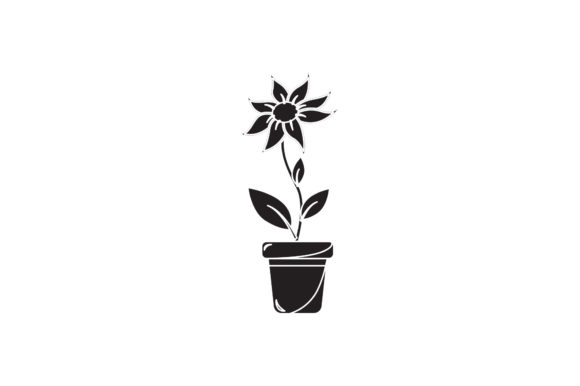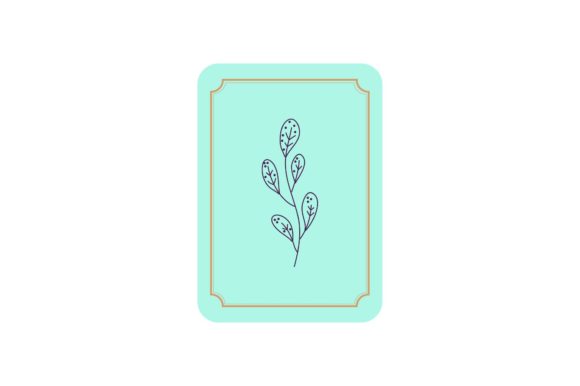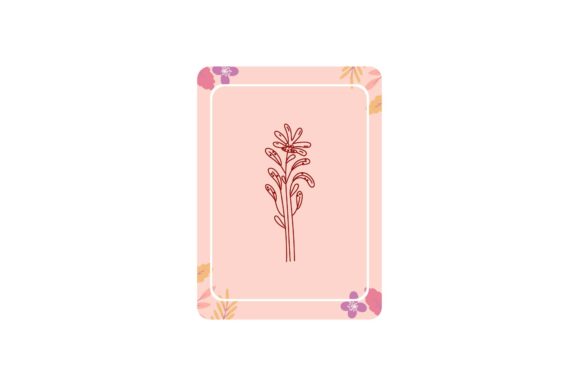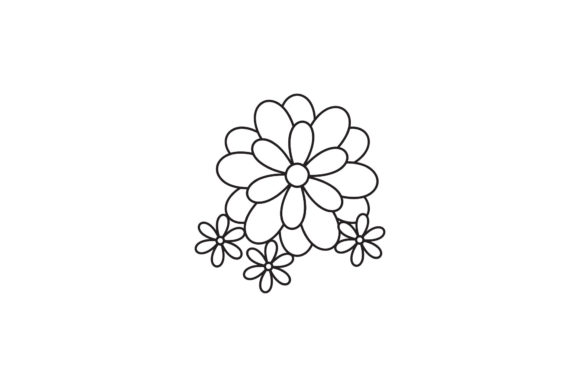
Flowers Illustration Line Styles Graphics Freebies Review
As a brand designer who has spent years helping local businesses find their visual voice, I approach every new asset with a mix of excitement and skepticism. We are constantly bombarded with design resources, but few truly stand the test of practical application. Recently, I encountered Flowers Illustration Line Styles, a graphic design asset that immediately caught my eye for its versatility in small business branding. This review is not just about aesthetics; it is about how this specific set of graphics can solve real-world problems for bakery owners, skincare entrepreneurs, boutique managers, and creative marketers looking to elevate their product packaging and promotional materials.
The First Impression: Mood and Brand Personality
When you first open the vector files for Flowers Illustration Line Styles, the clean lines and organic shapes suggest a brand personality that is both modern and timeless. It avoids the cluttered look of overly detailed clipart, opting instead for a minimalist elegance that feels premium yet accessible. The mood created by these illustrations is one of gentle sophistication. It suggests a business that values quality, craftsmanship, and natural beauty.
This style fits perfectly with brands that want to appear friendly, handmade, organic, or elegant. Whether you are running a local coffee shop, a handmade soap business, or a children’s product brand, these line-art flowers provide a decorative element that enhances rather than overwhelms. They feel soft and feminine without being childish, making them adaptable for a wide range of target audiences. For a florist or a home decor shop, they reinforce the core offering instantly. For a food label or a candle brand, they add a touch of artisanal charm that customers associate with high-quality, locally made goods.
Real-World Application: From Logo to Packaging
In my recent project for a local artisanal bakery, we needed to create a cohesive visual identity that could span from digital social media graphics to physical product labels. The challenge was to maintain consistency across all touchpoints while keeping the design fresh. Flowers Illustration Line Styles proved to be an invaluable resource in this process. Because the files are vector-based, they are openable, editable, and resizable without losing quality, which is crucial for scaling designs from a tiny Instagram story icon to a large storefront banner.
Here is how this graphic design asset supported our branding efforts:
- Logo Design and Brand Identity: The floral elements served as excellent accents for the primary logo mark. By isolating specific flower motifs, we created a scalable icon that worked well on business cards and website favicons.
- Product Labels and Packaging Design: On cookie boxes and jam jars, these illustrations added a layer of visual hierarchy. They guided the customer’s eye to the product name and key selling points, such as "organic" or "handmade."
- Promotional Materials: For flyers, posters, and price lists, the line styles provided a consistent decorative border. This helped unify disparate marketing visuals into a single, professional brand presentation.
- Social Media Content: Social media managers found it easy to use these assets as background textures or overlay elements for product mockups. The transparency of the PNG versions allowed for seamless integration into Canva templates or other design software.
Enhancing Business Presentation and Customer Trust
Using a high-quality graphic design asset like Flowers Illustration Line Styles does more than just make things look pretty; it directly impacts how customers perceive your business. A stronger first impression is critical in a crowded marketplace. When your packaging looks polished and intentional, it signals that you care about details. This leads to better product recognition and improved customer trust.
Furthermore, these illustrations help establish a clearer visual hierarchy. In editorial design or web design, where information density can be high, using floral line art as dividers or section headers helps break up text and makes content more digestible. For a local business owner, this means your menu, your ingredient list, and your thank-you cards all feel part of a unified whole. This consistency builds a stronger emotional connection with your audience, encouraging repeat purchases and word-of-mouth referrals.
Strategic Placement: Where It Works Best
To get the most out of Flowers Illustration Line Styles, you must place them strategically. These assets shine when used as decorative brand elements that support the main message without competing with it. Here are the areas where they perform exceptionally well:
- Hang Tags and Stickers: For boutique stores and handmade sellers, these illustrations are perfect for hang tags attached to clothing or accessories. They add a tactile and visual appeal that enhances the unboxing experience.
- Seasonal Campaign Visuals: Because the line style is neutral yet decorative, it can be easily adapted for seasonal themes. Use pastel colors for spring launches and deeper tones for holiday campaigns, keeping the core illustration consistent.
- Thank-You Cards and Printable Inserts: Including a branded card with a floral motif in your mailers adds a personal touch. It reinforces your brand identity and encourages customers to share their purchase on social media.
- Website Banners and Hero Graphics: On your homepage, these illustrations can frame call-to-action buttons or highlight featured products, drawing attention to your best sellers.
Areas Requiring Careful Consideration
However, no single asset is a magic bullet. There are contexts where Flowers Illustration Line Styles should be used with caution. For formal corporate branding or luxury minimalist brands that rely on stark typography, these floral elements might feel too decorative or whimsical. Similarly, avoid placing them in areas with heavy legal information or ingredient lists, as the intricate lines can reduce readability. If you are designing very small labels, ensure the line weight is sufficient to remain visible after printing. Also, be mindful of low-contrast backgrounds; thin lines can disappear if not paired with appropriate color choices.
Practical Designer Notes for Implementation
Before integrating Flowers Illustration Line Styles into your commercial design projects, I recommend following these practical steps to ensure professional results:
- Test on Real Mockups: Never judge a design asset solely on a white screen. Preview it on actual packaging mockups to see how it interacts with materials like kraft paper, glass, or plastic.
- Check Black and White Usage: Ensure the illustration holds up in monochrome. Many local businesses print in black ink only to save costs; your design must work in this scenario.
- Font Pairing: Experiment with different typefaces. These line-art flowers pair beautifully with serif fonts for a classic look, sans serif fonts for a modern vibe, and script fonts for a handwritten feel. Avoid pairing them with overly bold display fonts that may clash.
- Review Vector Editability: Since these are SVG design files, take advantage of their editability. You can adjust stroke weights, change colors, and combine elements to create unique variations that fit your specific brand palette.
- Confirm Commercial Licensing: Always verify the commercial license before using any design asset for client work, business branding, or physical product sales. While many freebies allow commercial use, some may require attribution or have restrictions on resale.
In conclusion, Flowers Illustration Line Styles is a versatile and high-quality graphic design asset that can significantly enhance the visual identity of a local business. Whether you are a marketer, a packaging designer, or a creative entrepreneur, these illustrations offer the flexibility and elegance needed to create professional branding, effective marketing visuals, and memorable product presentations. By using them thoughtfully, you can build a brand that resonates with customers and stands out in the marketplace.