Mandala Indian Design Flowers Graphics and Illustrations Review
I recently received a request from a client launching a boutique wellness brand focused on holistic living and artisanal skincare. The brief was specific: they wanted packaging that felt organic, spiritual, and deeply rooted in tradition, yet modern enough to stand out on social media feeds. They needed high-quality illustrations that could serve as primary visual anchors for their product labels and social media marketing visuals. This is where I evaluated the asset titled Mandala Indian Design Flowers. After spending time dissecting its vector structure, aesthetic appeal, and versatility, here is my professional assessment of whether this graphic design asset holds up under real-world commercial pressure.
First Impressions and Visual Mood
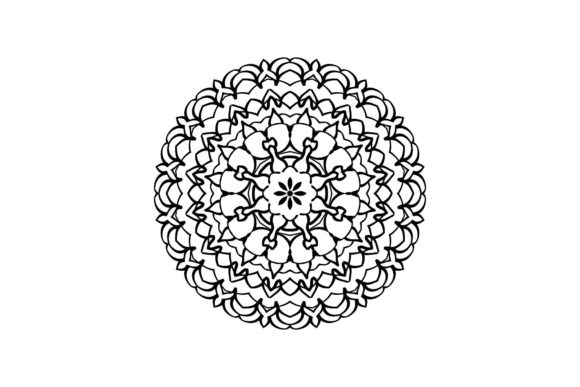
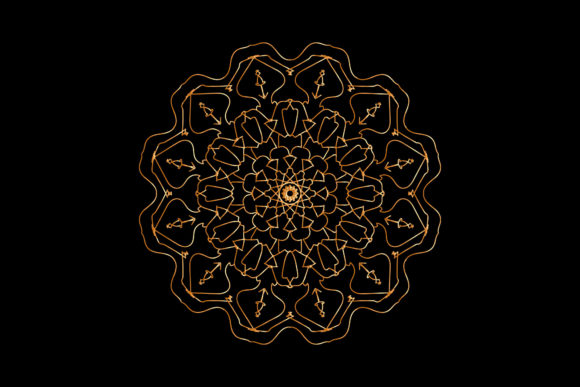
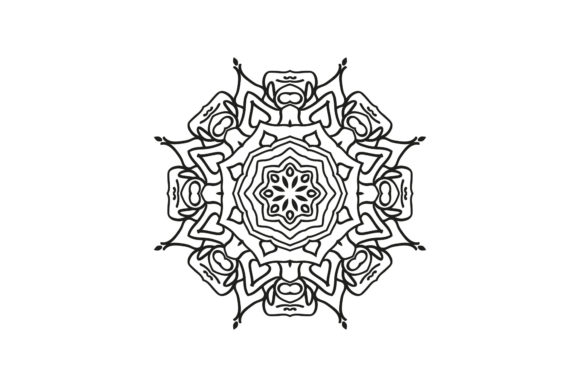
When you first open the files, the immediate takeaway is the intricate detail inherent in traditional Indian mandala art. The design does not feel like a generic clipart stamp; it possesses a rhythmic complexity that suggests careful craftsmanship. For a small business branding project, this level of detail is crucial because it communicates quality without needing additional text. The visual mood is serene, balanced, and culturally rich. It naturally evokes feelings of mindfulness and authenticity, which aligns perfectly with the wellness and handmade industries.
The symmetry of the mandala provides a strong focal point, making it an excellent choice for centering elements in a layout. However, as a designer, I always ask: does this pattern compete with typography? In this case, the lines are clean enough that they can support bold serif fonts or elegant script fonts without creating visual noise. It creates a sense of visual trust, suggesting that the brand behind it values precision and care.
Performance in Real Client Projects
One of the biggest challenges in commercial design is finding assets that scale well across different mediums. Mandala Indian Design Flowers excels here because it is provided in multiple vector formats. Let’s look at how it performs in specific scenarios:
- Packaging Design: For soap bars, candle jars, or essential oil bottles, this design works beautifully as a background texture or a central seal. The 1920px x 1280px canvas size ensures that even when scaled down to fit a small label, the details remain crisp. It elevates a standard product into something that feels like a premium gift.
- Social Media Graphics: In the age of Instagram and Pinterest, aesthetics drive engagement. Using this as a hero graphic for a post about self-care routines adds depth. It breaks the monotony of solid colors and simple photography. When used in a Canva template for a content creator, it instantly gives the feed a cohesive, bohemian-chic vibe.
- Cricut and Craft Projects: For clients involved in Etsy products or physical crafts, the inclusion of DXF and SVG files is a game-changer. A crafter can cut this out of vinyl for wall decals or use it for sublimation on tote bags. The clean paths mean less editing time for the end-user, which increases the perceived value of the digital product.
- Editorial Design: If a publisher is designing a brochure for a yoga retreat or a spiritual workshop, this illustration serves as a powerful divider or chapter header. It adds cultural resonance and visual interest without overwhelming the text.
Strategic Placement and Best Practices
Not every design element fits every space. To get the most out of Mandala Indian Design Flowers, you must be strategic about where you place it. It thrives in large layout areas where its intricate lines can breathe. Think of it as a decorative accent that commands attention. It is perfect for product mockups where you want to showcase a design on a mug, t-shirt, or sticker sheet.
However, there are places where caution is required. Avoid using this asset in crowded layouts where the visual hierarchy is already complex. Because the mandala is visually dense, placing it next to heavy blocks of text can make the design feel cluttered and difficult to read. It is also not ideal for minimalist branding projects that rely on negative space and ultra-clean lines. In such cases, the ornate nature of the mandala might clash with the intended simplicity. Furthermore, on low-contrast backgrounds, the fine details may disappear, reducing the impact of the creative design.
Technical Quality and File Formats
From a technical standpoint, the delivery of this asset is robust. Receiving six digital files in total allows for maximum flexibility. The AI and EPS files are essential for professional designers who need to edit the color palette to match a specific brand identity. You might need to shift the hues to fit a pastel theme or darken them for a luxury gold-and-black package. The SVG file is invaluable for web design and print-on-demand applications, ensuring scalability without pixelation. The DXF file specifically caters to the crafting community, bridging the gap between digital design and physical production.
It is important to note that while the vector files provide infinite scalability, the raster preview (if included) should be checked for transparency. Always inspect the PNG transparency if you plan to layer the mandala over photographs or textured backgrounds. Ensure there are no white boxes around the edges that could ruin the seamless integration of the design bundle.
Designer’s Checklist for Commercial Use
Before incorporating Mandala Indian Design Flowers into a final client deliverable, run through these practical checks:
- Black and White Test: Convert the design to grayscale to ensure the hierarchy holds up without color. Does the shape still read clearly?
- Contrast Check: Preview the asset on both light and dark backgrounds. Ensure the lines do not get lost in the negative space.
- Font Pairing: Experiment with different typefaces. A classic serif font complements the traditional feel, while a modern sans-serif can create a contemporary contrast. Avoid overly playful handwritten fonts unless the brand voice is specifically casual and youthful.
- Mockup Testing: Place the design on real-world mockups, such as a tote bag or a box label. This helps visualize how the print quality will translate to physical materials.
- Licensing Confirmation: Verify the commercial license terms. Even though this is a digital product meant for resale or client work, some marketplaces have specific restrictions on how many end-products can be created. Always confirm you have the right to use it for sublimation design or merchandise before selling.
Final Verdict
Mandala Indian Design Flowers is more than just a pretty picture; it is a versatile creative asset that can significantly enhance the emotional appeal of a project. It brings a sense of history and artistry that is hard to replicate with simple geometric shapes. For designers working on brand identity for wellness brands, artists, or spiritual guides, this illustration offers a ready-made solution for creating polished, engaging visuals.
Whether you are creating a sticker design for a local market, building a website for a holistic practitioner, or producing a line of printable wall art, this asset provides the structural beauty needed to elevate your work. It respects the viewer’s eye while inviting them to explore the details. As long as you respect its density by giving it adequate space and pairing it thoughtfully with typography, Mandala Indian Design Flowers will serve as a reliable and beautiful component of your design assets library.