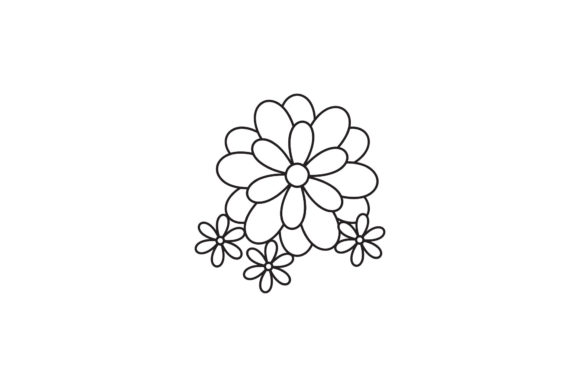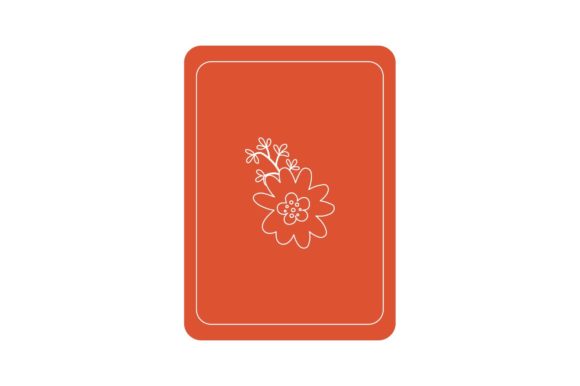
Flowers Cute Vector White Line Styles Review
As a designer who spends more time than I’d like to admit staring at stitch density charts and testing thread tension, I approach every new asset with a healthy dose of skepticism. The market is flooded with "cute" vector graphics that look charming on a screen but fall apart under the needle. However, when I first pulled up Flowers Cute Vector White Line Styles, something felt different. It wasn’t just another clip-art collection; it had a structural integrity that suggested it was built for application, not just decoration.
I recently took this design out of the digital folder and put it through its paces in a real-world scenario: creating a line of custom embroidered tote bags for a local boutique client. The brief was simple—clean, minimalist, and versatile enough to work with various fabric colors without overwhelming the garment. Here is my honest breakdown of how Flowers Cute Vector White Line Styles performs when transitioning from a static graphic to a tangible embroidery project.
The First Impression: Mood and Visual Personality
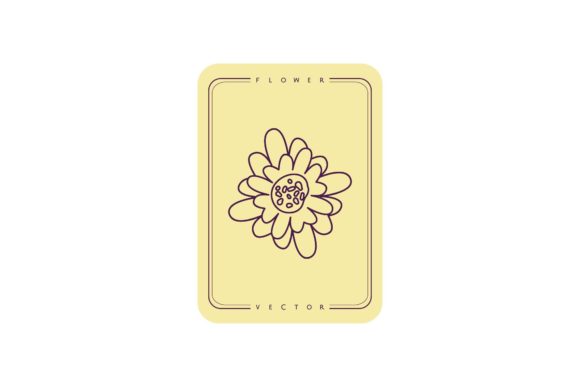
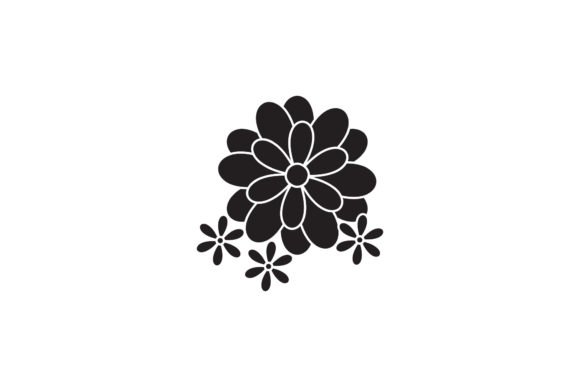
The moment you open the file, the aesthetic speaks for itself. This isn’t the busy, chaotic floral pattern often seen in mass-produced merchandise. Instead, it offers a refined, linear approach. The "white line" aspect of the title is key here—it implies negative space and breathing room, which are critical factors in successful machine embroidery. In a world where buyers are increasingly drawn to minimalist aesthetics, this design hits the sweet spot between decorative and sophisticated.
Visually, the layout feels balanced. The shapes aren’t overly intricate, which immediately signals to me that this will digitize well. There is no sense of clutter. For an Etsy seller or small shop product creator, this kind of clarity is gold. It suggests a finished product that looks professional rather than amateurish. The mood is airy, fresh, and slightly nostalgic, making it perfect for spring collections, bridal showers, or everyday casual wear.
Real-World Application: The Tote Bag Test
To truly judge an embroidery file, you have to see it on fabric. I decided to use Flowers Cute Vector White Line Styles on a heavy-duty canvas tote bag, a staple item in any craft business inventory. Canvas presents a unique challenge because of its texture and thickness. If a design is too delicate, it gets lost; if it’s too dense, it distorts the fabric.
Using a crisp white thread against the natural beige canvas, the lines popped beautifully. Because the original vector relies on clean outlines, translating this into a satin stitch or a tight running stitch created a sharp, defined edge. The result was a high-end look that justified a higher price point. Customers don’t just buy a bag; they buy the perception of quality. A clean, well-executed outline like this elevates the perceived value of the handmade product.
I also tested it on a soft cotton sweatshirt for a personalized gift scenario. Here, the design worked as a small chest logo. The simplicity allowed it to sit comfortably on the garment without feeling like a giant patch. It felt like a brand mark rather than just a decoration, which is exactly what modern consumers want in their custom apparel.
Where Caution Is Required
While I am a fan of this design, no machine embroidery design is universal. There are specific scenarios where Flowers Cute Vector White Line Styles requires careful consideration.
- Hoop Size Constraints: Because the design relies on distinct lines, attempting to stitch it in a very small hoop size might cause the details to merge together. If the individual flower elements are spaced closely, ensure your hoop size allows enough room for the stabilizer and fabric movement.
- Fabric Texture: On highly textured fabrics like chunky knits or bouclé, the fine lines may get obscured. This design shines best on smooth-to-medium weight fabrics such as jersey, poplin, denim, or canvas. Avoid using it on thick fleece unless you are using a substantial backing stabilizer.
- Dark Fabrics: The title specifies "White Line Styles," which works brilliantly on light backgrounds. If you plan to use this on dark fabric, you must swap the thread color. However, keep in mind that thin lines can sometimes appear fragile on dark backgrounds if the contrast isn’t stark. Always test thread opacity.
- Dense Stitch Areas: While the design is linear, if you fill these lines with a dense fill stitch rather than a satin or running stitch, you risk puckering. This design is best interpreted with outline stitches to maintain its elegant, airy feel.
Technical Notes for the Discerning Designer
Before adding this to your library of design assets, there are a few practical steps every professional should take.
- Test on Scrap Fabric: Never go straight to the final product. Stitch a sample on scrap fabric that matches the weight and stretch of your intended material. This helps you adjust your stitch density and tension.
- Check Thread Contrast: Run a black-and-white mockup of your design on the target fabric color. This ensures the white lines (or whatever thread color you choose) will remain visible and legible after stitching.
- Inspect Small Details: Zoom in on the vector file. Are there tiny isolated islands of fabric that might need additional tack-down stitches? Ensuring these details are properly anchored prevents unraveling during washing.
- Stabilizer Selection: Use a proper stabilizer cut-away or tear-away depending on the fabric. For woven items like aprons or tea towels, a tear-away might suffice. For stretchy knits used in baby clothes or caps, a cut-away is non-negotiable to prevent distortion over time.
Who Is This Design For?
This asset is particularly strong for creators looking to expand their commercial embroidery offerings without reinventing the wheel. It fits seamlessly into several categories:
- Baby Embroidery: The gentle, cute nature of the flowers makes it ideal for onesies, bibs, and nursery decor. The clean lines are safe and appealing to parents.
- Holiday Gifts: It works wonderfully for Christmas stockings, Easter baskets, or wedding favors. Its versatility allows it to fit any season.
- Kitchen Towels and Aprons: As mentioned earlier, the linear style adds a touch of elegance to kitchen textiles, making them suitable for printable mockups and online listings.
- Embroidered Patches: The self-contained nature of many floral designs in this set makes them easy to convert into patches for jackets or backpacks.
Final Verdict
Flowers Cute Vector White Line Styles is a solid addition to any designer’s toolkit. It avoids the pitfalls of overly complex designs that frustrate both the embroiderer and the end-user. By prioritizing clean lines and open space, it ensures a high-quality finish that enhances rather than detracts from the base material.
For the Etsy seller or creative entrepreneur, this means fewer returns due to quality issues and happier customers who appreciate the polished look. Just remember to respect the technical limitations of embroidery—test your stitches, choose your stabilizers wisely, and always confirm your licensing rights before selling finished goods. When executed correctly, this design transforms a simple piece of fabric into a desirable, professional-grade finished product. It is a smart, stylish choice for anyone looking to add a touch of floral elegance to their craft business.