Sugar Skull Anatomy with Roses Tattoo Review
As a designer who spends half my life staring at stitch charts and the other half worrying about whether a client’s fabric will pucker under tension, I approach every new embroidery file with a mix of excitement and skepticism. Visuals on a screen are deceiving; they don’t show you how a dense fill stitch behaves on stretchy cotton or how a tiny detail disappears in shadow. That is why I am reviewing the Sugar Skull Anatomy with Roses Tattoo illustration from this perspective. This isn’t just about looking pretty—it is about functionality, marketability, and whether this design actually works when it comes off the monitor and onto the hoop.
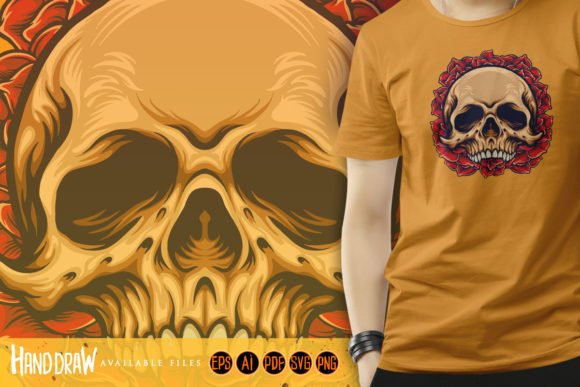
The Sugar Skull Anatomy with Roses Tattoo immediately grabs attention because it bridges two distinct aesthetics: the traditional, vibrant symbolism of Dia de los Muertos and the edgy, intricate nature of tattoo art. For an Etsy seller or small shop product creator, this duality is gold. It appeals to the goth subculture, the tattoo enthusiast, and the lover of Mexican heritage all at once. But does it translate? Let’s break down how this machine embroidery design holds up in real-world application.
First Impressions and Visual Personality
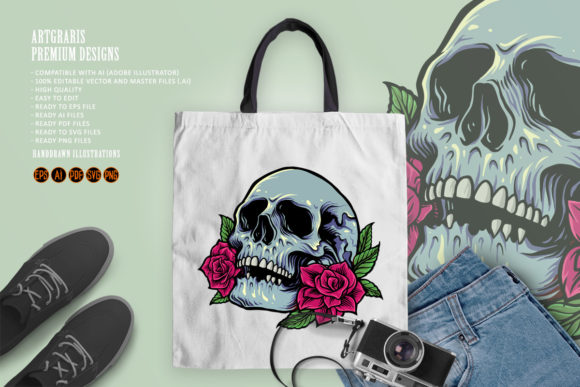
When you first load the vector illustration into your digitizing software, the layout of the Sugar Skull Anatomy with Roses Tattoo suggests a central focal point. The anatomy elements provide structural lines that guide the eye, while the roses add organic flow to soften the skeletal imagery. From a design asset standpoint, the balance is strong. It feels bold enough for a chest print on a hoodie but detailed enough to warrant closer inspection on smaller items like tote bags or patches.
The mood is romantic yet rebellious. It creates a visual narrative that resonates with customers looking for something beyond generic floral patterns. In the crowded world of digital product sellers, standing out is key. This design offers a high-contrast personality that photographs well for printable mockups. When you see the potential finished product, you can already imagine the customer base: young adults, creative entrepreneurs, and people seeking unique personalized gifts that reflect their individuality.
Real-Life Embroidery Scenarios
Let’s talk about where this embroidery project truly shines. I envision the Sugar Skull Anatomy with Roses Tattoo performing exceptionally well on structured fabrics. Here are a few specific use cases where this design would elevate a handmade product:
- Custom Apparel and Sweatshirt Embroidery: On a heavyweight black or charcoal sweatshirt, the white and bright thread colors used in the skull and roses will pop dramatically. The anatomical lines can be rendered in crisp satin stitches, while the rose petals benefit from varied fill stitches to create depth. This is perfect for custom apparel lines targeting alternative fashion markets.
- Tote Bag Design: Canvas is a forgiving fabric, allowing for larger hooping areas. A centered placement of the full skull and roses composition on a canvas tote bag creates a statement piece. It transforms a simple utility item into a fashion accessory, increasing its perceived value for crafter business owners.
- Embroidered Patch: The circular or oval framing often associated with tattoo designs makes this ideal for a patch. You could apply this to denim jackets, beanies, or backpacks. The durability of the stitched design ensures it withstands wear, which is crucial for commercial embroidery items sold at craft fairs.
- Baby Embroidery and Nursery Decor: While skulls might seem macabre, the stylized, artistic nature of this specific illustration softens the edge. On a light-colored onesie or a nursery wall hanging, paired with softer pastel threads, it becomes a unique, modern art piece rather than something scary. It taps into the trend of gender-neutral, artistic baby gear.
Where Caution Is Required
No design is universal, and the Sugar Skull Anatomy with Roses Tattoo has specific constraints that designers must respect. If you ignore these, you risk ruining the fabric and frustrating your customers.
First, consider the hoop size and detail level. If the vector includes very fine linework for the ribcage or delicate rose thorns, ensure your digitizer has converted these into legible stitches. Tiny details often get lost if the stitch density is too low or if the fabric moves during stitching. Avoid using this design on highly textured fabrics like chunky knits or bouclé, as the texture will obscure the intricate anatomy lines.
Stretchy fabrics present another challenge. Spandex blends or thin jersey materials can distort the symmetry of the skull if not stabilized properly. Always use a cut-away stabilizer for stretchy garments to prevent puckering. Additionally, dark fabrics require careful thread selection. If the background is navy or deep purple, ensure the contrast between the thread colors and the fabric is sufficient. Black-on-black embroidery might look sleek but can disappear in photos, hurting your buyer engagement on social media.
Curved surfaces, such as caps or sleeves, require advanced digitizing techniques to accommodate the curve without distorting the central anatomy features. If you are new to curved hooping, test this design assets package thoroughly before offering it as a premium service.
Practical Designer Notes for Execution
To get the best result from the Sugar Skull Anatomy with Roses Tattoo, follow these practical steps. First, always test the design on scrap fabric that matches the weight and weave of your final material. This helps you gauge how the thread colors interact with the fabric tone.
Inspect the small details closely. Are the rose petals defined by clear satin edges, or do they rely on fill stitches that might clump? Check the stitch density—too much density in one area can make the fabric stiff and uncomfortable, especially on baby clothes or aprons. Use proper stabilizer backing to support the weight of the embroidery, particularly if the design uses heavy fill stitches for the skull’s shading.
I also recommend testing the design in black and white mockups. This helps you evaluate the contrast and composition without the distraction of color. Sometimes, a design looks balanced in color but unbalanced in value. Furthermore, confirm whether the illustrations provided allow for commercial use if you plan to sell the finished items. Licensing terms vary, and assuming rights can lead to legal issues down the line.
Final Verdict on Market Appeal
The Sugar Skull Anatomy with Roses Tattoo is more than just a decorative graphic; it is a versatile tool for creative entrepreneurs. It carries emotional weight and visual intrigue, which drives sales. Customers trust designs that look professional and well-executed. When this design is stitched cleanly, with good thread quality and appropriate stabilizers, it signals professionalism and care.
It fits seamlessly into seasonal campaigns around Halloween and Day of the Dead but remains relevant year-round due to its tattoo-inspired aesthetic. Whether you are creating holiday gifts, wedding favors for alternative couples, or everyday craft business inventory, this design offers a high return on effort. It allows you to position your brand as unique and artistically driven.
In conclusion, the Sugar Skull Anatomy with Roses Tattoo is a strong addition to any embroiderer’s library. Its success depends entirely on your technical execution. Respect the fabric, manage the stitch density, and highlight the contrast. Do that, and you will have a finished product that stands out in any boutique or online store. For graphics enthusiasts and stitchers alike, this is a design that rewards patience and precision with a stunning final result.