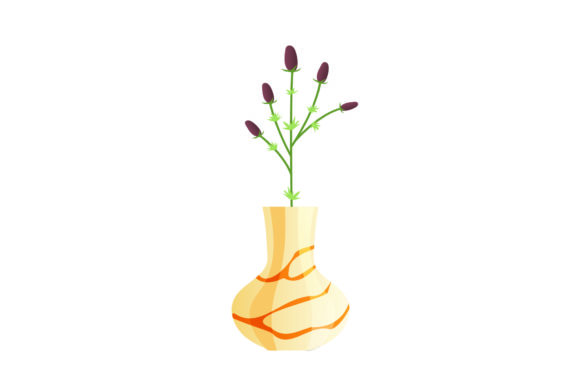
Review: Beautiful Flowers in Pots-10 for Embroidery
As a designer who spends half my life staring at stitch patterns and the other half trying to convince clients that embroidery isn’t just "old-fashioned," I have developed a healthy skepticism toward new digital assets. Most designs are either too complex for home machines or so generic they look like stock photos stitched onto fabric. That is why I decided to put Beautiful Flowers in Pots-10 through its paces before recommending it to my network of crafters, Etsy sellers, and boutique owners.
I approached this review not as a marketer, but as a practitioner. The goal was simple: determine if this design holds up when converted from a digital file into a tangible, wearable, or usable item. Would it survive a wash cycle? Would it look premium on a tote bag? Could it anchor a small business brand identity?
First Impressions and Visual Personality
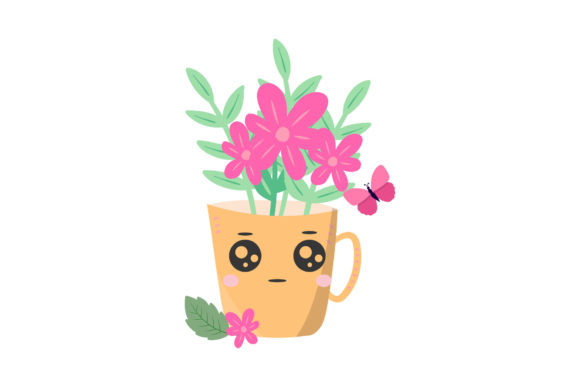
The moment you load Beautiful Flowers in Pots-10, the mood is immediately established. It is not aggressive, loud, or overly ornate. Instead, it carries a quiet, domestic charm that feels rooted in cottagecore aesthetics and modern botanical illustration. The layout centers around potted flora, which naturally lends itself to themes of growth, care, and home.
From a visual standpoint, the design balances negative space with sufficient detail. For an Illustrations category product, it manages to be detailed enough to hold interest without becoming cluttered. This is crucial because embroidery has limitations; unlike printing, where you can add infinite layers of color, stitching requires clarity. The shapes in Beautiful Flowers in Pots-10 appear distinct, suggesting that individual petals and pot rims will translate well into satin or fill stitches. It feels like a design meant to bring a sense of calm to a finished product, making it ideal for nursery decor, kitchen textiles, or relaxed apparel.
Real-World Application: The Tote Bag Test
To truly evaluate any embroidery file, you have to imagine it on a specific canvas. My first scenario involved preparing a custom embroidered tote bag for a local craft fair. I envisioned Beautiful Flowers in Pots-10 placed prominently on the front panel of a heavy cotton canvas bag.
In this context, the design works beautifully. The vertical orientation of potted plants aligns naturally with the structure of a tote. When I mentally mapped out the placement, I realized that the design’s organic curves would soften the rigid lines of the bag, creating a harmonious contrast. Customers at craft fairs often gravitate toward items that feel personal and handmade. A floral motif like this signals warmth and approachability. It suggests that the seller cares about aesthetics beyond just utility. For an Etsy seller or someone running a small shop product line, this kind of visual appeal can significantly boost perceived value. It transforms a $5 canvas bag into a $25 boutique accessory simply by virtue of having a thoughtful, high-quality design attached to it.
Performance Across Different Mediums
While the tote bag was a strong candidate, Beautiful Flowers in Pots-10 proves versatile across several other handmade product categories. Here is how I see it performing in different scenarios:
- Sweatshirt Embroidery: On a crewneck sweatshirt, this design would likely work best centered on the chest or slightly off-center for a more casual, artistic look. The softness of the fleece fabric complements the delicate nature of flowers, allowing the threads to nestle nicely without pulling the garment out of shape.
- Baby Embroidery: For onesies or burp cloths, the theme is inherently safe and appealing. Parents love botanical motifs because they are gender-neutral and timeless. However, the size must be managed carefully here. If the design is too large, it might overwhelm a baby’s frame. Used as a smaller accent on a pocket or hem, it adds a touch of elegance without being overpowering.
- Kitchen Towels and Aprons: There is something deeply satisfying about seeing flowers "grow" on a tea towel. This fits perfectly into the kitchen towel niche, which remains a top seller during holiday seasons. The design evokes a sense of fresh baking and garden-to-table living, resonating strongly with home cooks and gift-givers looking for personalized gifts.
- Embroidered Patch: If converted into a patch, the defined edges of the pots provide a natural border. This could be used to customize denim jackets or backpacks, adding a trendy, personalized flair to standard custom apparel.
Where Caution Is Required
No design is perfect for every situation, and as an experienced reviewer, I must highlight where Beautiful Flowers in Pots-10 might struggle. Embroidery is unforgiving when it comes to technical constraints.
First, consider stitch density. If the original vector files contain extremely fine details within the flower centers, these may get lost or become muddy if the machine embroidery design is scaled down too small. I always advise testing on scrap fabric first to ensure that tiny elements do not merge together. If the design relies on thin lines that are supposed to be running stitch, check that the thread tension doesn’t cause puckering.
Second, think about fabric texture. While cotton and polyester blends are forgiving, textured fabrics like heavy tweed or loose-weave linen can distort the crispness of the design. Additionally, avoid placing this on highly stretchy fabrics unless you use a proper stabilizer and perhaps a cut-away type to prevent distortion over time. Dark fabrics present another challenge; depending on the thread colors chosen, light-colored flowers might require an underlay or backing to pop, adding complexity to the digitizing process.
Finally, be mindful of hoop size. If your machine has a smaller hoop limit, you may need to split the design, which can leave visible seams. Always confirm the dimensions before starting production.
Practical Designer Notes for Success
To get the most out of Beautiful Flowers in Pots-10, follow these practical steps before committing to a final product:
- Test on Scrap Fabric: Never skip this step. Stitch the design out on the exact fabric you plan to sell or use. This reveals issues with thread breakage, puckering, or color blending that you cannot see on screen.
- Check Thread Color Contrast: The digital preview might show vibrant colors, but real-world thread sheen varies. Ensure there is enough contrast between the flower petals and the background fabric. If using dark fabric, test white or metallic threads to see how they catch the light.
- Inspect Small Details: Zoom in on the digital file. Are the leaves distinct? Do the pot handles have clear definition? If details are too small, simplify them in your editing software before importing to your machine.
- Verify Licensing: Since this is sold as a digital asset, double-check the license terms. Can you sell unlimited finished products? Is attribution required? Clarifying this protects your craft business from legal issues.
- Use Proper Stabilizer: The longevity of your finished product depends heavily on stabilization. Use tear-away stabilizer for woven fabrics and cut-away for knits or stretchy materials to ensure the design stays flat after washing.
Final Verdict
Beautiful Flowers in Pots-10 is a solid, aesthetically pleasing addition to any designer’s library. It strikes a balance between simplicity and charm, making it accessible for hobbyists while still offering enough visual weight to satisfy professional commercial embroidery standards. It is not a groundbreaking technical marvel, but it is reliable, attractive, and versatile.
If you are looking to expand your range of digital product sellers offerings or simply want to create a heartfelt holiday gift for a friend, this design delivers. It enhances the visual appeal of everyday items, turning ordinary objects into memorable keepsakes. Just remember to respect the technical limits of embroidery, test thoroughly, and let the quality of your stitching speak for itself. In a market saturated with mass-produced goods, a well-executed embroidered piece like this stands out as a testament to skill and taste.