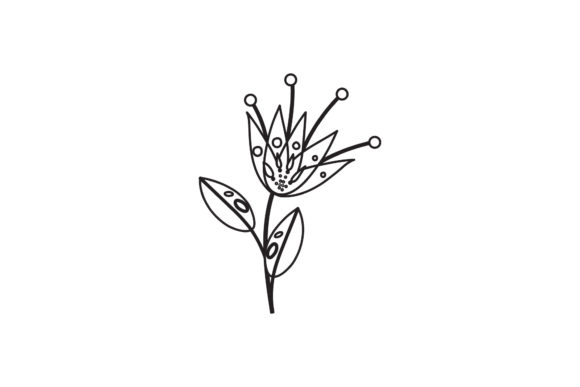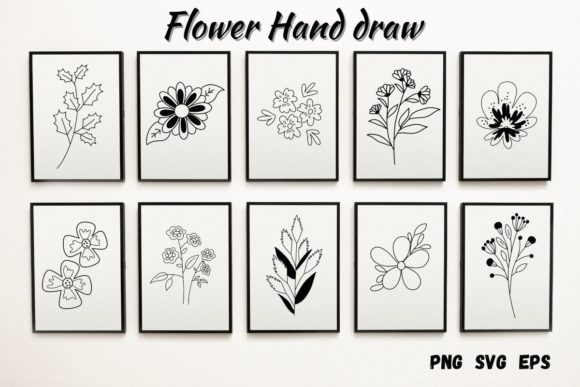
Hand Drawn Flowers Clipart Graphics and Illustrations
In the world of digital publishing, visual communication is not merely decorative; it is foundational to reader trust and engagement. As a blog designer who has spent years refining editorial layouts for content-heavy websites, I approach every graphic design asset with a critical eye toward utility, aesthetic cohesion, and brand identity. Recently, I evaluated a specific set of Illustrations titled "Hand Drawn Flowers Clipart" to determine its viability for real-world content publishing workflows. This review focuses on how this collection of Graphics integrates into modern web design, newsletter creation, and digital product development.
The First Impression: Editorial Mood and Niche Alignment
Upon initial inspection, the visual language of this asset speaks clearly to lifestyle-oriented audiences. The style leans heavily into a soft, organic aesthetic that feels both artistic and accessible. For publishers in niches such as wellness, home decor, parenting, or creative hobbies, this modern design offers an immediate sense of warmth and approachability. It avoids the sterile feel of vector-heavy corporate imagery, replacing it with the charm of hand-drawn lines that suggest authenticity—a crucial element in today’s content marketing landscape where readers crave genuine connection.
The mood created by these flowers and leaves is distinctly feminine yet versatile enough for broader lifestyle applications. It supports a visual hierarchy that guides the eye gently across the page, making it ideal for breaking up text-heavy articles without overwhelming the reader. However, it is less suited for serious professional niches like finance, legal services, or B2B technology, where a more minimal visual system or bold, geometric graphics would better convey authority and precision.
Integrating Assets into Real Publishing Workflows
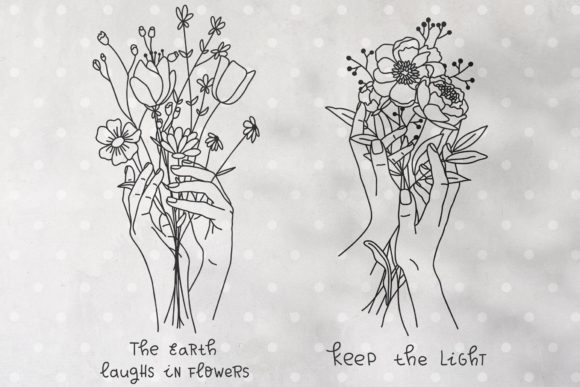
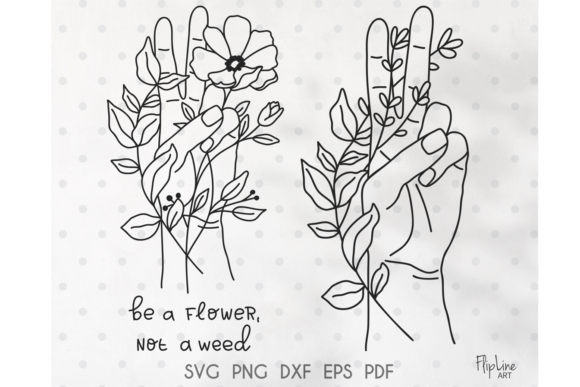
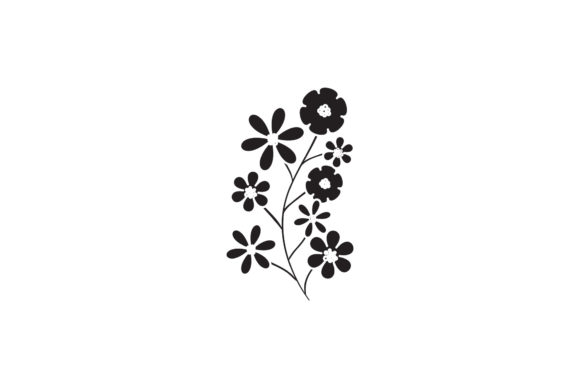
The true value of any design asset lies in its application. This collection, which includes a set of 10 beautifully hand-drawn flowers and leaves with transparent backgrounds, proves highly adaptable across various touchpoints in a publisher’s ecosystem. Below are specific scenarios where these Illustrations can elevate your content strategy.
- Blog Featured Images: Use these floral elements as subtle overlays or corner accents on featured images. They add depth and personality without obscuring the headline text, ensuring your posts stand out in social feeds while maintaining readability.
- Pinterest Pins: Pinterest is a visual search engine where aesthetics drive clicks. These social media graphics elements can frame your pin designs, creating a consistent brand identity that encourages repins and traffic generation.
- Newsletter Headers: In email marketing, first impressions matter. Placing these delicate illustrations at the top of your newsletter banners can enhance open rates by signaling high-quality, curated content to your subscribers.
- Digital Guides and Lead Magnets: When creating downloadable resources, worksheets, or eBooks, these assets serve as excellent interior decorations. They break up instructional content, making dense information feel lighter and more engaging for the user.
- Category Thumbnails: For blogs with multiple categories, using variations of these flower illustrations as category icons helps users navigate your site intuitively. It creates a cohesive brand identity that looks polished and professional.
- Social Media Posts: Beyond Pinterest, these graphics fit seamlessly into Instagram carousels or Facebook posts, adding a layer of creative design that differentiates your content from stock-photo-heavy competitors.
Impact on Content Performance and Reader Trust
Investing in high-quality web design elements directly influences user behavior. By incorporating these hand-drawn flowers, you signal attention to detail. Readers subconsciously associate well-designed visuals with trustworthy content. When a website looks cohesive, with consistent use of illustrations and thoughtful layout choices, it reduces bounce rates and increases time-on-page.
Furthermore, these assets support stronger visual hierarchy. A well-placed floral accent can draw the eye to a call-to-action button or highlight a key statistic within an infographic. This strategic use of graphics ensures that your message is not just seen, but understood. For affiliate marketers, this clarity can lead to higher conversion rates, as the visual path to the purchase decision becomes smoother and more inviting.
Strategic Placement and Visual Context
To maximize the effectiveness of this asset, consider where it shines brightest. Hero images benefit from the organic flow of the leaves, softening the transition between the header and the body content. Article thumbnails gain character when these flowers are used as borders or background textures behind text blocks. In editorial layouts, they act as elegant dividers between sections, guiding the reader through long-form content without fatigue.
However, caution is advised in certain contexts. Small mobile thumbnails may lose the intricate details of the hand-drawn lines, resulting in a muddy appearance. Similarly, placing these light, airy graphics against low-contrast backgrounds can reduce visibility. Avoid using them in text-heavy blog images where legibility is paramount; instead, reserve them for whitespace-heavy designs or as standalone decorative elements. Serious corporate environments should also exercise restraint, opting for these assets only if the brand voice explicitly values creativity over strict professionalism.
Practical Publisher Notes for Implementation
Before integrating these Illustrations into your live site, several technical and aesthetic checks are necessary. First, test the assets across desktop and mobile screens. What looks balanced on a large monitor may appear cluttered on a smartphone. Preview the graphics inside your actual blog layout to ensure they harmonize with your existing color palette and typography.
Contrast and readability are non-negotiable. Place the black-and-white versions of the flowers beside your primary font styles—serif, sans-serif, script, handwritten, and display—to evaluate compatibility. Ensure the dark lines of the drawings do not clash with your text color. Additionally, review file sizes for web performance. Large PNG files can slow down page load times, negatively impacting SEO. Compress images properly using tools designed for web optimization to maintain quality while reducing weight.
Finally, confirm commercial licensing before using these assets on monetized websites, affiliate pages, or paid content products. While many marketplaces offer flexible terms, understanding the scope of a commercial license protects your business from potential legal issues. Whether you are building a small business branding kit or a comprehensive digital download store, ensuring you have the right permissions is part of responsible digital publishing.
In conclusion, "Hand Drawn Flowers Clipart" is a versatile tool for bloggers and designers seeking to inject personality and polish into their digital presence. By applying these graphics strategically across newsletters, social media, and web layouts, you can enhance reader trust and create a memorable visual experience that stands out in a crowded digital marketplace.