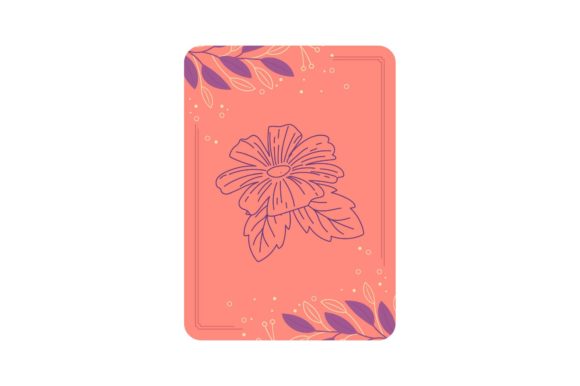
Flowers Illustration Icon Designs: Freebies for Modern Graphics
As a brand designer who has spent years refining visual identities for startups and established lifestyle brands, I approach every new asset with a critical eye. In the world of content marketing, aesthetics are not just about beauty; they are about communication. Recently, I evaluated a versatile set titled Flowers Illustration Icon Designs. This collection of vector graphics offers more than just decorative elements; it provides a foundational toolkit for building cohesive, emotionally resonant campaigns. Whether you are a small business owner launching a product or a digital creator looking to enhance your Pinterest strategy, understanding how these design assets fit into your workflow is crucial.
First Impressions and Emotional Tone
When I first opened the files, the immediate takeaway was the balance between elegance and accessibility. The Flowers Illustration Icon Designs create a mood that is organic yet structured. For a brand owner, this translates to an emotional tone that feels approachable but professional. It avoids the cluttered look of amateur clipart while steering clear of the cold sterility often found in corporate icon sets.
This specific graphic design asset works exceptionally well for audiences seeking authenticity. If your target demographic includes creative entrepreneurs, wellness coaches, or handmade product lovers, these visuals signal care and attention to detail. The vector nature of the files means they maintain crisp edges at any scale, which is vital for maintaining a premium feel across different media. From a branding perspective, this asset supports a narrative of growth, natural beauty, and organic progress, making it ideal for lifestyle content, editorial graphics, and commercial marketing materials that need to stand out without shouting.
Real-World Application in Marketing Campaigns
To test the practical value of these Graphics, I imagined a scenario where a boutique skincare brand is preparing for a seasonal launch. They need to refresh their social media presence, update their packaging labels, and create digital ads. Here is how Flowers Illustration Icon Designs integrates into that workflow:
- Social Media Graphics: These icons can serve as bullet points in Instagram carousels, acting as visual anchors that guide the viewer’s eye through educational content. They add personality to Canva templates used for daily posts.
- Packaging Design: Because the files are vector-based, they can be scaled up for large-format printing on boxes or down for tiny product labels. This scalability ensures that the brand identity remains consistent whether viewed on a smartphone screen or on a physical shelf.
- Digital Ads: In Facebook ads or Google display campaigns, clean illustration helps break up text-heavy layouts. Using these flowers as background accents or foreground elements can improve click-through rates by creating a more inviting visual hierarchy.
- Lead Magnets and E-books: For content marketers creating PDF guides, these illustrations can decorate chapter headers or highlight key takeaways, increasing the perceived value of the freebie.
The versatility extends to merchandise as well. Since the asset supports t-shirt designs and stickers, it bridges the gap between digital marketing and physical products, allowing for a unified brand experience across all touchpoints.
Supporting Core Marketing Goals
Using high-quality design assets like these is not merely an aesthetic choice; it is a strategic move to achieve specific business objectives. Here is how incorporating Flowers Illustration Icon Designs can support your broader goals:
- Stronger First Impression: Professional visuals immediately establish credibility. A polished icon set suggests that the business behind it is equally polished.
- Clearer Visual Hierarchy: Icons help organize information. By using floral motifs to denote categories (e.g., ingredients, benefits, usage), you make complex information easier to digest.
- Better Product Presentation: When selling digital products or physical goods, these illustrations elevate the presentation, making standard items feel unique and curated.
- Improved Audience Trust: Consistency breeds trust. Using the same style of illustration across your website, email banners, and social media creates a recognizable pattern that audiences learn to rely on.
- Emotional Connection: Nature-inspired imagery evokes calmness and positivity. This emotional resonance can lower barriers to purchase and encourage sharing.
Ideal Use Cases and Strategic Placement
While these assets are versatile, they shine brightest in specific contexts. They are perfect for hero graphics on landing pages, serving as the visual hook that draws visitors in. They work beautifully as campaign headers for email newsletters, adding a touch of warmth to promotional messages. For event flyers and posters, they provide a thematic anchor that ties the design together.
Additionally, these illustrations are excellent for decorative brand elements. Think of them as the "spice" in your visual recipe—used sparingly to enhance the main dish rather than replace it. They are particularly effective in content bundles, such as printable planners or journal inserts, where users appreciate the added aesthetic value.
Where to Exercise Caution
No single asset fits every brand voice. There are scenarios where Flowers Illustration Icon Designs might not be the best choice. For formal corporate branding in sectors like finance or law, these organic shapes may appear too casual or whimsical. Similarly, in dense information layouts or data-heavy infographics, intricate floral details can compete with the text, reducing readability.
Be mindful of mobile screens. If the icons are used as primary navigation elements, ensure they remain legible when scaled down. On low-contrast backgrounds, delicate lines might disappear, so always check visibility. Finally, if your brand is strictly minimalistic or industrial, these botanical elements might clash with your existing visual language.
Practical Notes for Brand Designers
Before integrating these design assets into your projects, I recommend following a rigorous testing protocol:
- Color Palette Integration: Test the vectors with your brand colors. Can they be easily recolored to match your hex codes? Do they look good in monochrome?
- Typography Pairing: Experiment with different font styles. These illustrations often pair well with serif fonts for a classic look, sans-serif fonts for modern clarity, or script fonts for a feminine touch. Ensure the weight of the typography balances the weight of the illustration.
- Mockup Testing: Place the graphics inside real campaign mockups. View them on mobile devices to check readability. Compare them against competitor visuals to ensure they don’t look generic.
- Licensing Verification: Always confirm the commercial license. Even if labeled as a Freebie, some creators restrict use in reselling digital products or require attribution. Clearing this upfront protects your business from legal issues.
In conclusion, Flowers Illustration Icon Designs offer a robust solution for creators seeking to elevate their visual content creation. By understanding their strengths and limitations, you can leverage these vectors to build a stronger, more trustworthy brand presence across all your marketing channels.