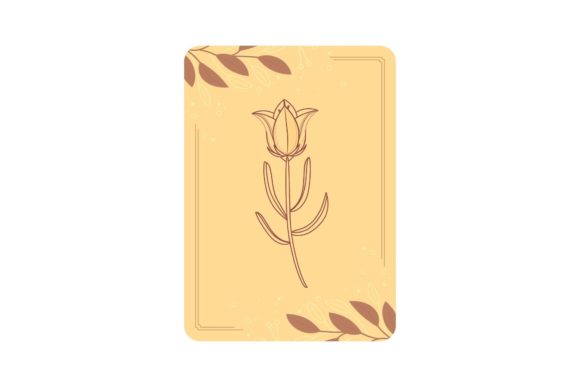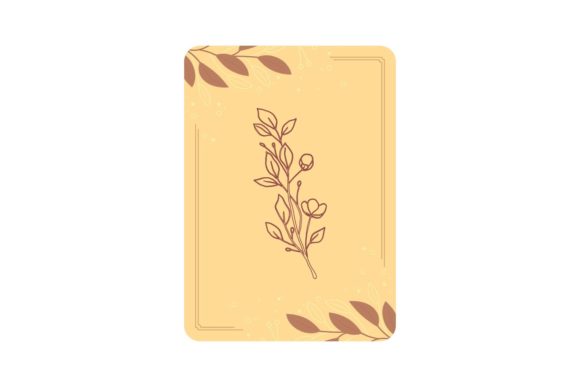
Flowers Cream Beauty Vector Illustration Review
As a designer who spends half her life in front of a screen and the other half watching an embroidery machine stitch, I have learned to be skeptical. Not all vector illustrations translate well into thread. Some look stunning on a monitor but become a tangled mess of dense fill stitches when digitized for production. This is why I approach every new asset with a critical eye, asking not just "does it look pretty?" but "will this hold up in the real world?" Today, I am putting Flowers Cream Beauty Vector Illustration through that same rigorous evaluation process.
This graphic falls squarely into the category of Illustrations and Graphics, described as suitable for logos, t-shirt designs, and animations. But for those of us in the craft business, the real question is whether it works as a viable machine embroidery design. After analyzing its visual personality, potential applications, and practical limitations, here is my honest assessment of how this asset performs when moving from digital file to finished product.
First Impressions: Mood and Visual Personality
The first thing you notice about Flowers Cream Beauty Vector Illustration is its inherent softness. The name suggests elegance, and the visual execution delivers on that promise. It carries a gentle, romantic mood that feels timeless rather than trendy. For designers looking to create products that evoke comfort, nostalgia, or refined simplicity, this illustration hits the right notes immediately.
The layout appears balanced, with a clear focal point that allows for easy placement on various garments and accessories. Unlike busy, chaotic patterns that can lose detail when reduced in size, this design seems to rely on clean lines and distinct shapes. This is crucial for embroidery. When converting a vector to an embroidery file, complex gradients often turn into muddy blobs of color. However, strong vector outlines and defined negative space tend to stitch out cleanly. The "cream" aspect of the title implies a light, airy palette, which naturally lends itself to high-contrast stitching if paired correctly with darker threads, or subtle tonal elegance if stitched in matching hues.
Real-World Application: From Screen to Stitch
To truly test a design, you have to imagine it on a customer’s body or in their home. Let’s walk through a few specific scenarios where Flowers Cream Beauty Vector Illustration would shine.
Custom Apparel and Sweatshirt Embroidery: Imagine a boutique selling oversized cream-colored sweatshirts. Placing a medium-sized version of this floral illustration on the left chest creates an instant classic look. Because the design is likely scalable, it can also be used as a large back print for a statement piece. The clean vector lines ensure that even after dozens of washes, the edges of the embroidery remain sharp, maintaining the professional quality that customers expect from handmade goods.
Tote Bag Design and Everyday Carry: A canvas tote bag is one of the most popular items for Etsy sellers and craft fair vendors. Floral motifs are perennial bestsellers. This illustration’s versatility means it could work as a central medallion or a scattered pattern (if the vector allows for seamless tiling). When stitched onto sturdy cotton canvas, the contrast between the textured fabric and the smooth satin stitches of the flowers creates a tactile appeal that photos alone cannot convey.
Baby Embroidery and Nursery Decor: There is something inherently safe and gentle about floral vectors like this. It translates beautifully to baby onesies, muslin blankets, and nursery wall hangings. Parents are often cautious about designs that are too loud or aggressive; this illustration offers a soothing aesthetic that fits perfectly into a pastel-themed nursery. As a personalized gift, adding a child’s name below the floral motif elevates the item from a simple decoration to a cherished keepsake.
Holiday Embroidery and Gifts: While not explicitly a holiday theme, the elegance of this design makes it suitable for wedding favors, bridal shower gifts, or elegant Christmas stockings. The "cream" tone pairs exceptionally well with gold or metallic threads for a festive yet sophisticated finish.
Where to Exercise Caution
No design is perfect for every surface. As an experienced reviewer, I must highlight where Flowers Cream Beauty Vector Illustration might present challenges during the digitizing or stitching phase.
Small Hoop Sizes: If the original vector contains intricate details that are very close together, reducing the design to fit a 4x4 inch hoop (or smaller) could result in overcrowding. In embroidery, spacing is everything. If the elements are too tight, the needle will hit existing stitches, causing puckering or thread breaks. Always check the scale before finalizing your hoop size.
Textured and Stretchy Fabrics: While this design looks great on flat surfaces, applying it to highly textured fabrics like heavy waffle-knit towels or stretchy spandex blends requires extra stabilization. On stretchy fabrics, the tension of the stabilizer can distort the delicate curves of the flowers. Similarly, on thick pile fabrics, small details might get lost in the fuzz.
Dense Stitch Areas: If the digitizer decides to use heavy fill stitch for the petals, the resulting fabric may become stiff and unwearable, especially on lightweight materials like silk or thin cotton tees. A mix of satin stitch for outlines and lighter fill techniques is usually preferable for maintaining drape and comfort.
Curved Surfaces: Attempting to embroider this on a baseball cap or a curved mug sleeve requires advanced digitizing skills. Flat vector illustrations do not automatically account for curvature. Without proper compensation, the flowers may appear stretched or distorted on a rounded object.
Practical Designer Notes for Success
Before you upload Flowers Cream Beauty Vector Illustration to your digitizing software or order it for production, follow these practical steps to ensure a successful outcome:
- Test on Scrap Fabric: Never commit to a full run without testing. Stitch the design on the exact fabric you plan to sell. Check how the thread colors interact with the material. Does the cream tone blend in too much? Does it pop?
- Check Stitch Density: Review the digitized file for density. If the design looks too heavy, consider simplifying the inner details or switching to a lighter stitch type. Too much thread weight can ruin the hand-feel of the garment.
- Inspect Small Details: Zoom in on the vector. Are there tiny isolated shapes that might disappear during stitching? These should either be merged with larger elements or removed entirely.
- Black and White Mockup: Convert the vector to black and white to check the silhouette. If the shape is unclear without color, the embroidery design might lack structural integrity.
- Confirm Licensing: Since this is a commercial asset, verify the license terms. Can you sell unlimited physical products? Are there restrictions on digital resale? Clear licensing protects your craft business from legal issues.
- Use Proper Stabilizer: Depending on your fabric, choose between cut-away or tear-away stabilizers. For permanent, high-quality results on woven fabrics, cut-away is often the safer bet to prevent distortion over time.
Final Verdict
Flowers Cream Beauty Vector Illustration is a strong candidate for designers seeking to add a touch of elegance to their handmade product line. Its clean vector structure makes it adaptable for various uses, from custom apparel to embroidered patches. While it requires careful consideration regarding scale, fabric choice, and digitization technique, its visual appeal is undeniable.
For small shop owners and creative entrepreneurs looking to expand their catalog with items that feel premium and thoughtful, this illustration provides a solid foundation. It is not just a graphic; it is a versatile design asset that, when executed with care, can significantly boost the perceived value of your finished product. Just remember: the magic happens in the details. Take your time with the setup, trust your testing process, and let the quality of the stitch speak for itself.