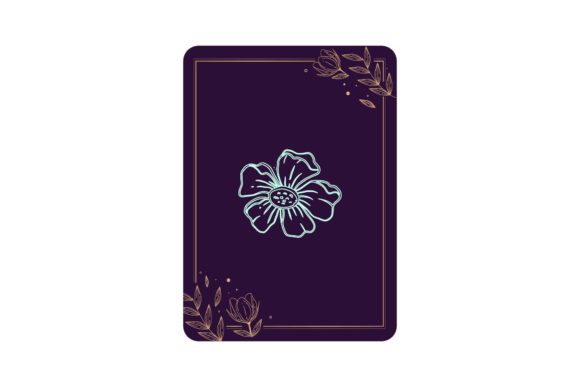
Flowers Beauty Vector Illustrations: Graphics and Illustrations Review
As a brand designer who has spent years translating abstract business goals into tangible visual identities, I approach every new asset with a mix of optimism and skepticism. We are currently in an era where visual noise is at an all-time high. For small business owners, content creators, and marketers, the difference between a scroll-past and a click-through often comes down to the subtle emotional cues embedded in your design assets. Recently, I evaluated a set called Flowers Beauty Vector Illustrations for use in a comprehensive seasonal campaign for a boutique skincare line. The goal was to refresh our social media presence and create cohesive packaging inserts without commissioning custom artwork from scratch. This review breaks down how this specific graphic design asset performs in real-world marketing scenarios.
First Impressions and Emotional Tone
The moment you open the files, the quality is immediately apparent. Unlike raster images that pixelate when scaled, these vector files maintain their crispness, which is non-negotiable for professional branding. The mood created by Flowers Beauty Vector Illustrations is one of organic elegance. It strikes a balance between whimsical and sophisticated. In my experience, "pretty" graphics can sometimes feel cheap or overly generic if they lack structural integrity. However, these illustrations carry a weight that suggests premium quality.
This emotional tone is versatile. It feels suitable for lifestyle content, handmade products, and editorial graphics, but it also holds up well against more commercial marketing materials. When I placed these visuals next to our brand’s minimalist typography, the contrast created a dynamic tension that drew the eye. The flowers do not shout; they whisper, inviting the viewer to lean in. This is crucial for building audience trust, as overly aggressive or cluttered designs can trigger subconscious resistance in potential customers.
Real-World Application in Brand Identity
To test the versatility of Flowers Beauty Vector Illustrations, I integrated them into various touchpoints of a hypothetical product launch. Here is how they performed across different mediums:
- Social Media Graphics: On Instagram and Pinterest, these illustrations served as excellent anchors for text-heavy posts. Because they are vector-based, they remained sharp even when cropped into square or vertical formats. They worked beautifully as background elements for quotes or promotional offers, ensuring the visual hierarchy remained clear.
- Packaging Design: For a small batch of soap labels, we used the floral motifs as corner accents. The ability to edit the vectors allowed us to adjust the scale perfectly so that the flowers did not overwhelm the ingredient list. This level of control is essential for packaging design, where space is limited but impact must be high.
- Digital Ads: In Facebook and Google ads, attention spans are measured in milliseconds. These illustrations provided an immediate visual hook. Their clean lines translated well on mobile screens, where detailed textures often get lost. They helped distinguish our ad from competitors who relied on stock photography.
- Editorial and Web Design: We used the illustrations to break up long-form blog content. They acted as decorative brand elements that reinforced the theme of natural beauty without distracting from the copy. This supports better engagement by making the content feel more curated and less like a wall of text.
Supporting Marketing Goals Through Visual Consistency
One of the biggest challenges in content marketing is maintaining a consistent look across disparate platforms. Using a unified set of design assets helps achieve this. Flowers Beauty Vector Illustrations offers a cohesive family of graphics that can be mixed and matched. Whether you are creating a lead magnet PDF, a webinar slide deck, or a merchandise sticker, the style remains consistent. This consistency strengthens brand recognition over time.
Furthermore, the editable nature of these SVG and PNG designs allows for rapid adaptation. If your brand color palette shifts slightly for a holiday season, you can recolor the vector elements instantly. This flexibility supports faster turnaround times for campaigns, allowing marketers to react to trends while maintaining a professional appearance.
Where the Asset Shines Brightest
Based on my testing, there are specific areas where Flowers Beauty Vector Illustrations excels:
- Hero Graphics: Large-scale headers on websites or landing pages benefit from the detailed yet clean lines of these vectors.
- Product Launch Visuals: The elegant nature of the flowers adds a sense of occasion and importance to new product announcements.
- Branded Templates: For designers creating Canva templates for clients, these illustrations serve as high-value add-ons that elevate the perceived worth of the template.
- Promotional Banners: Whether for email newsletters or event flyers, the illustrations provide a decorative border or focal point that guides the user’s eye toward the call-to-action.
Strategic Limitations and Cautionary Notes
No single asset is perfect for every context. While Flowers Beauty Vector Illustrations is highly adaptable, there are scenarios where it should be used carefully:
- Formal Corporate Branding: If you are designing for a law firm or a financial institution, the organic, floral nature of these graphics may feel too casual or soft. They might undermine the authority required in those industries.
- Dense Information Layouts: Avoid placing these illustrations in areas with heavy data visualization or dense text. They compete for attention and can make the layout feel cluttered rather than informative.
- Small Mobile Graphics: While vectors scale well, extremely small icons or favicons may lose detail. Always preview your designs on actual mobile devices to ensure readability.
- Low-Contrast Backgrounds: Light-colored floral details can disappear on pale backgrounds. Ensure sufficient contrast to maintain visibility.
Practical Designer’s Checklist
Before incorporating these illustrations into your final campaign, I recommend running through this practical checklist to ensure maximum effectiveness:
Test with Your Palette: Apply your brand colors to the vector layers. Do the hues harmonize? Sometimes, adjusting the saturation or hue of the illustration itself makes it blend better with existing brand elements.
Check Black and White Usage: Convert the illustration to grayscale to check its structural integrity. A good design should hold up even without color, relying on shape and negative space.
Font Pairing Analysis: Experiment with different typefaces. Serif fonts can enhance the classic, editorial feel of the flowers. Sans serif fonts can modernize the look, making it feel fresh and tech-forward. Script fonts can amplify the feminine, handwritten aesthetic, while display fonts can add boldness. Handwritten fonts may clash if the illustration is already intricate, so balance is key.
Mockup Integration: Place the graphics inside realistic mockups—such as a phone screen showing an Instagram post or a printed card on a desk. This helps visualize how the asset interacts with shadows, lighting, and physical texture.
Licensing Verification: Finally, always confirm the commercial license. Even though these are vector files, usage rights vary. Ensure you are permitted to use them in paid campaigns, client work, and resellable digital products. Clear licensing protects your business from legal issues down the road.
Final Verdict
In conclusion, Flowers Beauty Vector Illustrations is a robust addition to any creative marketer’s toolkit. It bridges the gap between artistic expression and commercial utility. For small business owners and entrepreneurs looking to elevate their small business branding, these assets offer a shortcut to professional-grade visuals. They support stronger first impressions, clearer messaging, and deeper emotional connections with your audience. By integrating these illustrations thoughtfully into your marketing visuals, you can create campaigns that are not only beautiful but also strategically effective. Whether you are refreshing your brand identity or launching a new product line, these graphics provide the visual foundation needed to stand out in a crowded marketplace.