Christmas Plants and Flowers Graphics and Illustrations Review
As a brand designer who spends half my life tweaking kerning and the other half worrying about click-through rates, I approach every new graphic design asset with a mix of excitement and skepticism. We are constantly bombarded by creative marketplaces offering thousands of similar assets, making it difficult to find something that truly elevates a campaign without looking like everyone else’s. Recently, I evaluated a specific vector set titled Christmas Plants and Flowers. This is not just another clipart pack; it is a strategic visual tool that can significantly enhance seasonal marketing efforts for small business owners, content creators, and digital sellers.
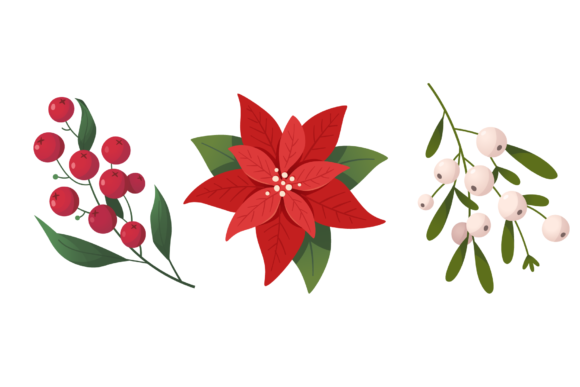
The product description highlights a "Vector image of three traditional winter plants" described as "Most popular Christmas decorations for every home." While this sounds simple, the execution in modern design is what matters. In my review, I looked at how these illustrations perform when applied to real-world branding scenarios, from social media graphics to packaging design. Here is my professional assessment of how this asset fits into a cohesive content marketing strategy.
First Impressions: Mood, Tone, and Brand Alignment
When you first load these illustrations into your design software, the immediate takeaway is their versatility. The mood they create is warm, nostalgic, and inviting. For brand owners, emotional tone is everything. A holiday campaign needs to feel festive but not chaotic. These three traditional winter plants strike a balance between classic elegance and approachable charm.
This aesthetic is particularly effective for lifestyle brands, handmade product sellers, and boutique retailers. If your audience values authenticity and warmth, these visuals will resonate deeply. They do not scream for attention with neon colors or aggressive shapes; instead, they whisper sophistication. This makes them suitable for premium visuals, editorial graphics, and commercial marketing materials where subtlety is preferred over loudness. However, if you are running a high-energy discount flash sale, these might be too serene. But for building long-term audience trust and creating memorable campaign visuals, they are ideal.
Real-World Application: From Concept to Campaign
To understand the true value of this graphic design asset, let us look at a practical scenario. Imagine you are a small business owner launching a limited-edition line of scented candles or artisanal cookies for the holidays. You need a unified visual identity across multiple touchpoints. You cannot afford to hire a custom illustrator for every single post, nor do you want your brand to look disjointed.
This illustration bundle becomes your backbone. Because it is provided as a vector, you have the freedom to scale it infinitely without losing quality. You can use one plant motif as a subtle watermark on your email banners, another as a primary element on your Instagram posts, and all three combined for your Pinterest pins. This consistency strengthens brand recognition and ensures that your visual hierarchy remains clear even when you are producing content at a rapid pace.
The asset supports various marketing goals effectively:
- Stronger First Impression: Clean, well-drawn vectors signal professionalism immediately.
- Better Product Presentation: Using these plants as framing elements around your product photos draws the eye directly to what you are selling.
- Emotional Connection: Traditional winter imagery triggers positive associations with home, family, and tradition, which can increase engagement on social media.
- Professional Appearance: High-quality SVG design files ensure your printed materials, such as business cards or flyers, look crisp and expensive.
Where This Asset Shines in Your Workflow
In my experience, certain use cases allow these illustrations to truly pop. They work exceptionally well as decorative brand elements in hero graphics and campaign headers. When designing a lead magnet, such as a holiday recipe ebook, using these plants as section dividers adds a layer of polish that keeps readers engaged.
For e-commerce entrepreneurs, this is a goldmine for packaging design. You can integrate the vector images onto product labels, shipping boxes, or thank-you cards included in orders. This attention to detail enhances the unboxing experience, turning a simple transaction into a memorable brand interaction. Furthermore, because the description notes they are good for creating greeting cards, invitations, wrapping paper designs, posters, and stickers, you can easily repurpose these files across physical and digital mediums.
If you utilize Canva templates for your social media management, these PNG design options (once exported) fit seamlessly into drag-and-drop layouts. They also serve as excellent accents for web design, softening the edges of rigid website layouts and adding a touch of seasonal personality to your blog graphics.
Strategic Limitations and Cautionary Notes
No asset is perfect for every situation. As a content marketer, I must advise against using these traditional winter plants in contexts where they might compete with your core message. For instance, if you are designing dense information layouts or text-heavy ads, these illustrations could clutter the visual space. Clarity is king in advertising; if the viewer has to work too hard to read your offer, you lose the sale.
Additionally, be mindful of your background choices. These designs likely rely on contrast to show detail. Placing them on low-contrast backgrounds or overly busy textures may render them invisible. Also, consider your brand’s existing style. If your brand identity is ultra-minimalist or strictly corporate, these traditional motifs might feel out of place. They are better suited for casual branding, lifestyle content, or creative entrepreneurs who want to inject some warmth into their digital presence. Avoid using them in formal corporate branding unless heavily stylized to match a strict color palette.
Practical Designer’s Checklist Before You Download
Before integrating Christmas Plants and Flowers into your next campaign, run through this quick brand designer checklist to ensure maximum impact:
- Test with Your Palette: Import the vector into your brand kit. Do the natural greens and reds clash with your primary brand colors? Adjust the hue or saturation if necessary to maintain visual consistency.
- Check Monochrome Usage: Convert the vector to black and white. Does it still hold its shape and readability? A good graphic design asset should work in single-color applications, such as embossed packaging or faxed documents.
- Preview on Mobile: Most social media traffic comes from phones. Zoom out on your mockups. Are the details lost? If so, simplify the usage or increase the size of the asset in your layout.
- Font Pairing: Experiment with typography. These traditional plants pair beautifully with serif fonts for a classic look, script fonts for a handwritten feel, or display fonts for bold headlines. Ensure the font weight balances the visual weight of the illustrations.
- Review Spacing: Give the illustrations room to breathe. Crowding them against text or other elements destroys the visual hierarchy. Use negative space to highlight the beauty of the vector image.
- Confirm Licensing: Always verify the commercial license. If you plan to use these in paid campaigns, client work, or for resale as part of a design bundle, ensure you have the right permissions to avoid legal issues.
In conclusion, Christmas Plants and Flowers is more than just a collection of clipart; it is a versatile tool for professional branding. Whether you are creating printable designs, updating your social media graphics, or refreshing your email marketing visuals, this asset provides the reliability and aesthetic appeal needed to connect with your audience. By using it strategically, you can elevate your content marketing efforts and create a cohesive, trustworthy brand presence this holiday season.